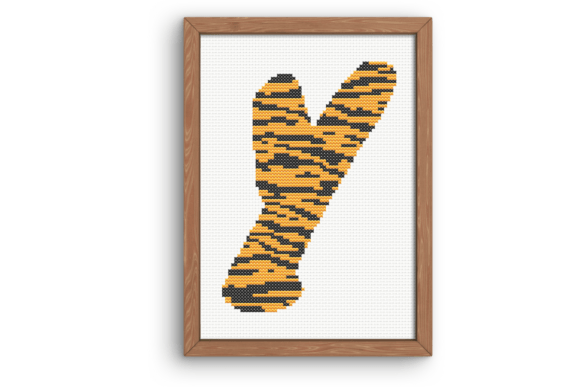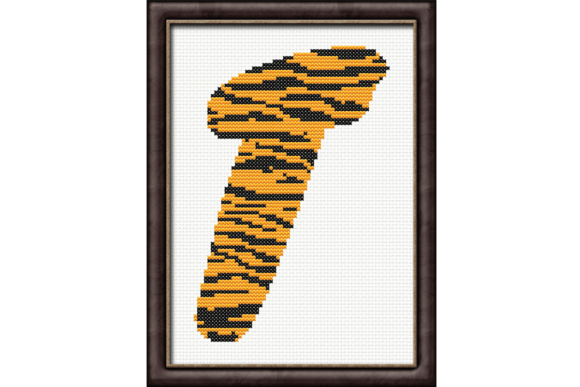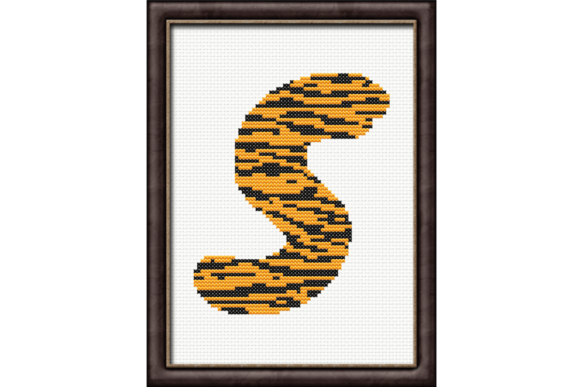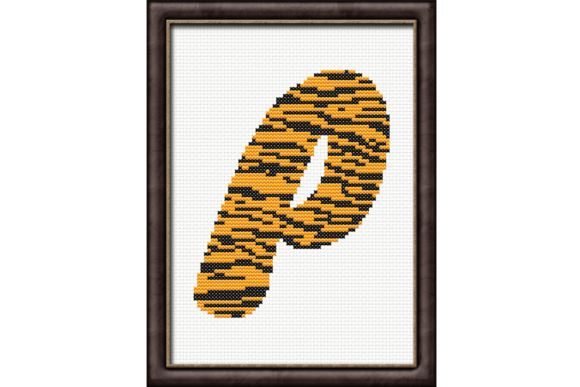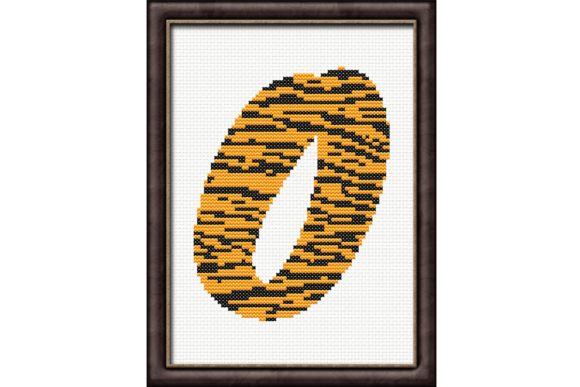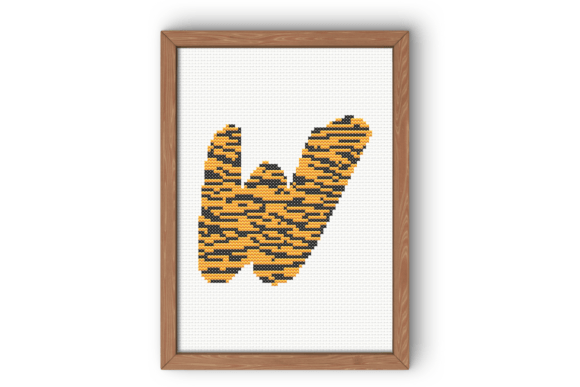
Tiger Print W Monogram Cross Stitch
When I am scouting for a new design to add to my library or to use in a client project, I look for more than just technical precision. I look for personality, versatility, and that immediate "grab" factor that makes a handmade item feel special rather than generic. Tiger Print W Monogram Cross Stitch is one of those designs that sits right at the intersection of playful charm and modern minimalism. It is not trying to be a complex landscape or a hyper-realistic portrait; instead, it leans into what cross stitch does best: clean geometry, bold shapes, and tactile texture.
As a designer who frequently advises small business owners and crafters on what sells and what sticks, I find this pattern particularly interesting. The premise is simple—a tiger motif integrated with the letter "W"—but the execution allows for significant creative freedom. Because it is a Cross Stitch Patterns piece built on a Graphics foundation, it bridges the gap between traditional needlecraft and contemporary monogramming trends. Here is my practical breakdown of how this design performs in real-world scenarios, from the hoop to the final product.
First Impressions and Visual Personality
The first thing you notice about Tiger Print W Monogram Cross Stitch is its approachable energy. Tigers can sometimes come across as aggressive or overly masculine in embroidery, but this interpretation feels friendly and stylized. The integration of the "W" suggests personalization, which is a huge selling point in today’s market. Whether it stands for a name, a nickname, or simply adds a graphic element, it anchors the design.
Visually, the design relies on high contrast. Since it is described as a simple two-color design, it demands confidence in your thread selection. This is where the designer in me gets excited. You are not fighting against a hundred shades of thread blending together; you are working with distinct blocks of color. This clarity translates beautifully to the finished product. It reads well from a distance, which is crucial for items like tote bags or sweatshirts where the viewer might only get a fleeting glance.
Real-World Application: From Hoop to Product
I recently evaluated this design with a specific end-use in mind: custom baby apparel and nursery decor. Given the 4 x 4 inch approximate size on 14 count Aida, the scale is perfect for these applications. It is large enough to be seen clearly but compact enough to fit neatly on a onesie, a burp cloth, or a small pillow cover without overwhelming the garment.
- Custom Apparel: For a sweatshirt embroidery project, this design works exceptionally well on the chest area. The two-tone nature means you can match the tiger stripes to a neutral background or create a striking pop of color against a dark heather grey fabric. It adds a bespoke touch that elevates a basic tee into a custom apparel statement piece.
- Baby Embroidery: In the realm of baby embroidery, softness and safety are paramount. This design’s clean lines mean fewer tangled threads and a smoother finish against delicate skin. Parents love personalized gifts, and seeing their child’s initial paired with a cute animal motif is a proven winner for personalized gift categories.
- Tote Bag Design: If you are an Etsy seller looking to expand into accessories, this fits perfectly as a tote bag design. Canvas totes are durable, and the cross stitch texture adds a handmade value that machine-printed graphics cannot replicate. It signals quality and effort, which justifies a higher price point.
Furthermore, this design has strong potential for holiday gifting. Imagine a red and green thread combination for Christmas, or pastels for Easter. The simplicity of the cross stitch pattern allows you to adapt it seasonally without needing to purchase new files. It is a versatile asset for any craft business inventory.
Where to Exercise Caution
While the design is robust, no embroidery file is universal. There are specific contexts where Tiger Print W Monogram Cross Stitch requires careful consideration.
First, avoid using this on highly textured fabrics like heavy bouclé wool or thick chenille unless you have excellent tension control. The grid structure of cross stitch needs a relatively flat surface to maintain its geometric integrity. On stretchy fabrics, such as thin jersey knits, the stitching can pucker if you do not use the proper stabilizer. Always test on a scrap piece of your target fabric first.
Additionally, be mindful of the stitch density. While this is a simple design, dense areas of cross stitch can become stiff. If you are planning to embroider this on a cap or a curved hat brim, the rigidity of the stitches might not lay flat against the curve. In such cases, you might need to reduce the stitch count or choose a different placement. Also, consider the washing instructions for your final product. Cross stitch holds up well, but frequent industrial washing can wear down the thread sheen over time, so advise customers on gentle care to preserve the finished product quality.
Design Notes for the Professional Maker
To get the most out of Tiger Print W Monogram Cross Stitch, I recommend a few practical steps before committing to a full production run.
- Thread Color Contrast: Since the design is limited to two colors, your choice of DMC floss is critical. Ensure there is enough contrast between the tiger print and the "W" monogram. If both colors are too close in value, the design will look muddy. Test your threads against your chosen fabric under natural light.
- Hoop Size Verification: Although the design is approx 4 x 4 inches, always confirm the exact dimensions on your specific fabric count. If you switch from 14 count to 16 count Aida, the physical size shrinks. Make sure your hoop size accommodates the margin needed for framing or finishing.
- Stabilizer Selection: Use a cut-away stabilizer for woven fabrics like cotton or linen to prevent distortion. For knit fabrics, a tear-away or water-soluble stabilizer might be preferable depending on the desired drape. Proper stabilization is key to maintaining the sharp edges of the tiger print.
- Mockup Testing: Before stitching, create a digital mockup. View the design in black and white to check for contrast issues. This helps you visualize how the negative space will interact with the positive space of the monogram.
Commercial Viability and Brand Consistency
For small shop product creators, consistency is brand gold. Tiger Print W Monogram Cross Stitch offers a consistent visual language that can be expanded into a collection. You could offer variations by changing the letter (A-Z) or the color palette while keeping the tiger motif constant. This builds recognition among your customers.
It also serves as an excellent printable mockup asset. Even if you are selling digital files, having a high-quality representation of this design helps buyers visualize the end result. It appeals to the creative entrepreneur who wants to offer a blend of traditional craft aesthetics with modern convenience.
In summary, Tiger Print W Monogram Cross Stitch is a solid, practical choice for designers who value clarity and customization. It is not overly complicated, which reduces error rates during stitching, yet it has enough character to stand out in a crowded marketplace. Whether you are making a single personalized gift for a friend or producing batches for a commercial embroidery shop, this design delivers professional results. Just remember to respect the fabric, choose your threads wisely, and let the simple beauty of the cross stitch grid do the talking.