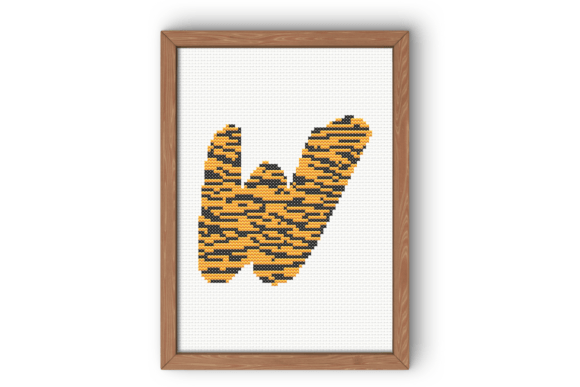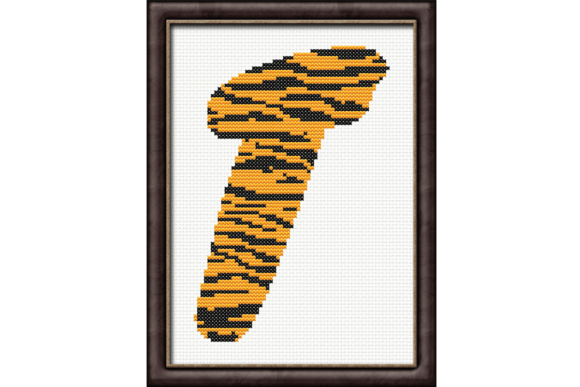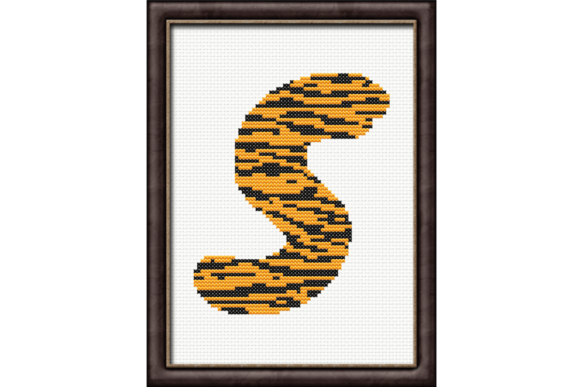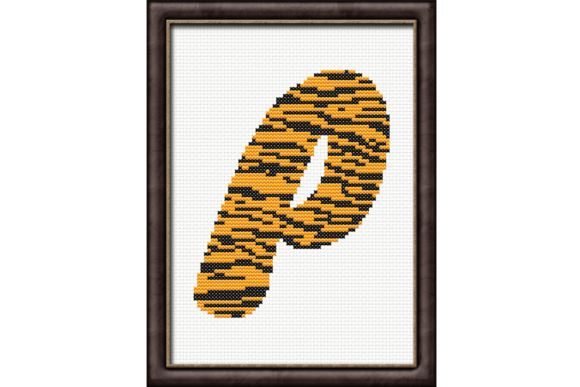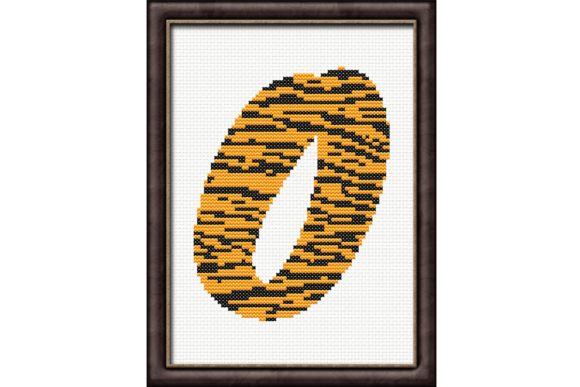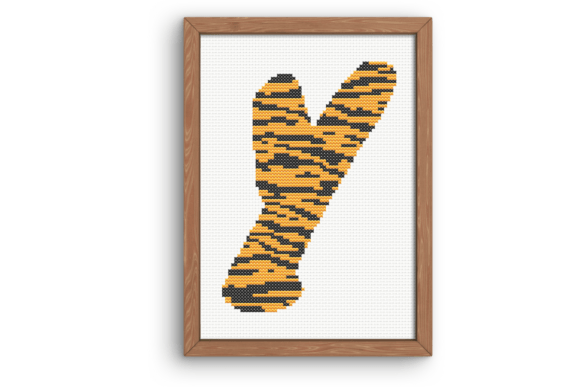
Tiger Print Y Monogram Cross Stitch
As an embroidery designer who has spent years translating digital concepts into tangible, stitched reality for small businesses, I approach every new design asset with a critical eye. We aren't just looking for something pretty; we are looking for functionality, brand alignment, and production viability. Today, I am reviewing the Tiger Print Y Monogram Cross Stitch. At first glance, this pattern seems like a simple graphic, but when evaluated through the lens of commercial application, it reveals itself as a versatile tool for branded merchandise.
This cross stitch pattern measures 57 x 82 stitches, approx 4 x 5.75 inches when stitched on 14 count aida. Simple 2 colour design means you can use any colour you like and make it your own. DMC floss. While the description highlights its simplicity, that is precisely where its strength lies for business owners. In the world of small business merch, versatility is currency. A design that allows for custom thread colors without losing its structural integrity is a designer’s dream.
First Impressions: Professional Yet Approachable
The name "Tiger Print" suggests boldness, while "Y Monogram" implies personalization or initial branding. The combination creates a unique tension between wild energy and structured elegance. When I visualize this design, it does not feel overly rustic or purely decorative. Instead, it strikes a balance that feels modern yet grounded in traditional craft. This makes it suitable for a wide array of industries, from boutique bakeries to creative studios.
The two-color limitation is a strategic advantage. It forces clarity. In brand identity work, less is often more. By restricting the palette, the design ensures that the logo remains legible even when reproduced at smaller sizes. For an Etsy seller or a handmade brand, this means you can maintain visual consistency across different product lines without worrying about color bleeding or loss of detail during the digitizing or stitching process.
Real-World Business Applications
Let’s move beyond the hoop and look at how this embroidery file performs in actual production scenarios. Small business owners need assets that translate well across various mediums. Here is how the Tiger Print Y Monogram Cross Stitch fits into real-world use cases:
- Embroidered Patches: With a finished size of approximately 4 x 5.75 inches, this design is substantial enough to be a standalone patch but compact enough to be unobtrusive. It works beautifully as a chest logo accent on work shirts or as a back-of-the-cap emblem. The clean lines ensure that the edges will stitch out sharply, giving a professional finish that elevates the perceived value of the item.
- Apron Embroidery and Uniforms: For cafes, florists, or boutiques, staff uniforms are walking billboards. This design offers a friendly, handmade aesthetic that builds customer trust. It signals that the business cares about quality and detail. Placing this on the pocket of a chef’s apron or the sleeve of a retail associate’s shirt adds a touch of personality without overwhelming the garment.
- Tote Bag Design: Canvas totes are a staple for crafters and retailers. The cross-stitch aesthetic pairs naturally with the texture of canvas. Because the design is based on a grid structure (cross stitch), it mimics the weave of the fabric, creating a harmonious visual relationship. It serves as a perfect branded product add-on for customers purchasing goods.
- Custom Apparel and Caps: Whether used for event merch or limited edition drops, this design scales well. The monogram aspect allows for easy customization. You can swap the 'Y' for another letter to create personalized gifts or client-specific items, increasing engagement and sales potential.
- Product Packaging Accents: Don’t overlook the power of packaging. A small stitched label featuring this design sewn onto a hangtag or directly onto a garment tag adds a premium tactile element. It transforms a generic product into a handmade product experience.
Where Caution Is Required
While this design is robust, no embroidery project is without its pitfalls. As a designer, I must advise caution in specific applications. The success of any commercial embroidery project depends on understanding the limitations of the medium.
First, consider the scale. While 4 x 5.75 inches is a good standard size, attempting to reduce this significantly for tiny accessories may result in lost detail. If you plan to use this on very small items, test the stitch density carefully. High stitch density on a small area can cause puckering, especially on delicate fabrics.
Second, think about the substrate. This design assumes a stable base. On highly textured fabrics, such as heavy tweed or loose-weave linen, the geometric precision of the cross stitch may get lost. Similarly, on dark uniforms, contrast becomes paramount. You must choose thread colors that pop against the background. A light-colored thread on a dark uniform will require underlay stitching to prevent the fabric color from showing through, which adds complexity to the digitizing process.
Finally, curved surfaces like cap fronts can distort straight-line designs. Ensure that the digitizer accounts for the curvature of the hat or bag by adjusting pull compensation. Without proper adjustments, the "tiger print" elements might appear warped rather than crisp.
Impact on Brand Identity and Customer Trust
In today’s market, authenticity drives sales. Customers are increasingly drawn to brands that showcase craftsmanship. Using a design that evokes the feel of hand-stitched cross stitch, even if produced via machine, taps into that desire for authenticity. It enhances product value by suggesting care and attention to detail.
When a customer sees a well-executed embroidered patch on a tote bag or a neatly stitched logo on an apron, it reinforces professionalism. It tells them that the business invests in quality materials and finishes. This visual consistency builds recognition. Over time, as customers encounter this design across multiple touchpoints—social media mockups, physical products, and marketing materials—the brand becomes more memorable.
Practical Designer Notes for Production
Before committing this digital embroidery file to full-scale production, follow these essential steps to ensure a successful outcome:
- Test in Black and White: First, view the design in grayscale. This helps you assess the balance and spacing without the distraction of color. If the design looks cluttered or unbalanced in black and white, it likely won’t work in color either.
- Check Small Patch Size: Create a scaled-down version to simulate how it will look on a small patch or label. Legibility at reduced sizes is crucial for brand recognition.
- Review Thread Color Contrast: Experiment with different DMC floss combinations. Since the design allows for any color, choose palettes that align with your existing brand guidelines. High contrast is key for readability.
- Inspect Spacing and Hoop Size: Confirm that the 57 x 82 stitch count fits comfortably within your intended hoop size. Leave adequate margin around the design to prevent trimming errors and ensure clean edges.
- Test on Real Fabric: Never assume a design will stitch out perfectly on paper. Always run a test sample on the actual fabric you plan to use. This reveals issues with stabilizer choice, tension, or fabric behavior.
- Create a Printable Mockup: Before producing bulk inventory, generate a realistic mockup for client approval or marketing purposes. This allows you to visualize the final product in context and make any necessary adjustments.
- Confirm Commercial Licensing: Most importantly, verify the licensing terms of the original design. Ensure you have the right to use the Tiger Print Y Monogram Cross Stitch for commercial merchandise. Unauthorized use can lead to serious legal issues.
In conclusion, the Tiger Print Y Monogram Cross Stitch is a strong candidate for small business branding. Its simplicity, adaptability, and professional aesthetic make it a valuable addition to any designer’s toolkit. By paying attention to production details and maintaining high standards of execution, you can leverage this design to create memorable, high-quality merchandise that resonates with your audience.