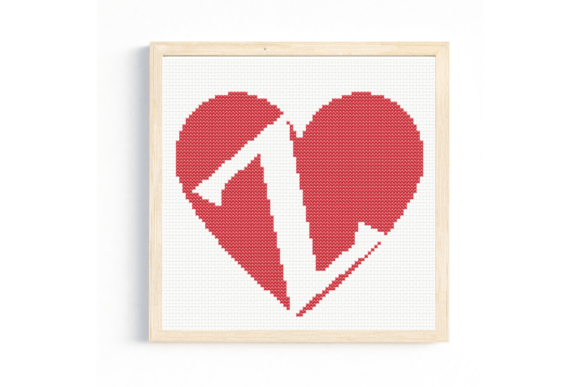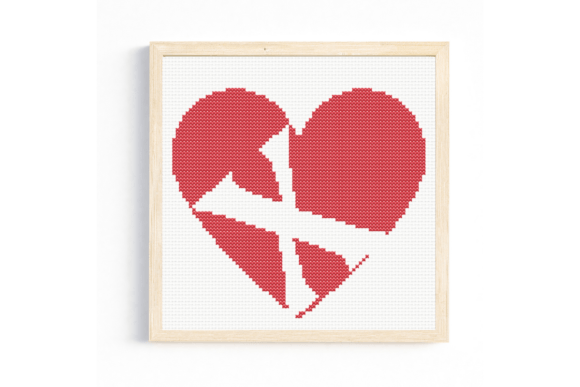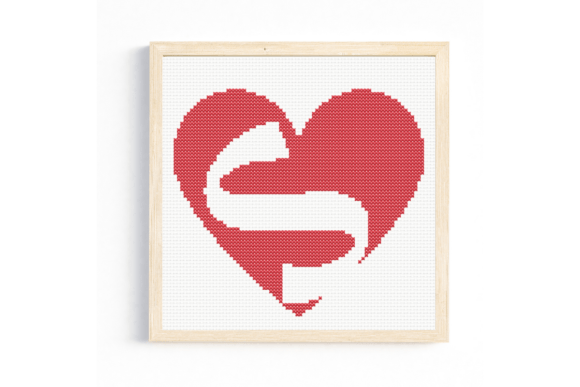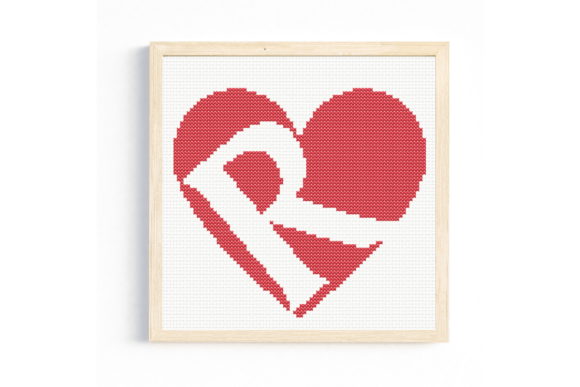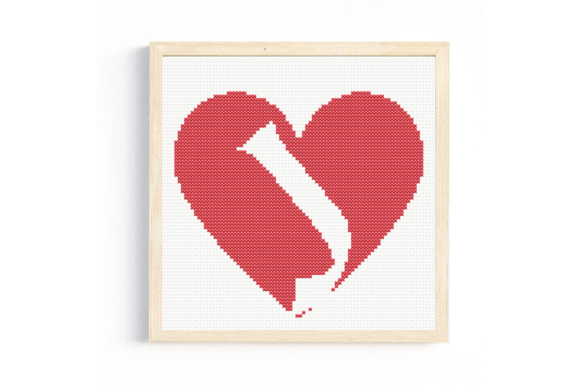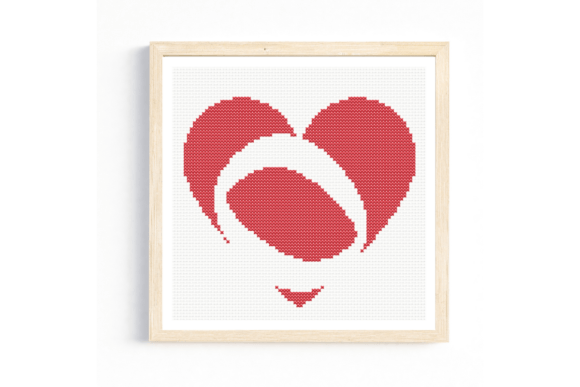
O Monogram in Heart Cross Stitch Pattern
As a designer who spends more time than I care to admit staring at stitch charts and debating thread choices, I have learned that the best designs are often the ones that seem deceptively simple. When I first looked at the O Monogram in Heart Cross Stitch Pattern, my initial reaction was one of quiet appreciation for its restraint. In an industry saturated with complex florals, intricate scenes, and overwhelming detail, sometimes what you really need is a clean, focused graphic that speaks clearly without shouting.
This isn’t just another generic heart design. It is a specific monogram placement within a classic shape, rendered in a single color using DMC floss on 14 count Aida fabric. Measuring roughly 76 x 69 stitches, or about 5.5 x 5 inches when stitched, it lands squarely in the "sweet spot" for wearable and usable items. It is large enough to be seen and appreciated, yet small enough to remain elegant and unobtrusive. For those of us creating handmade products, digital assets, or custom apparel, understanding how a design like this translates from a chart to a finished product is critical. Here is my practical breakdown of how this cross stitch pattern performs in real-world scenarios.
The First Impression: Mood and Visual Personality
When you lay out the visual personality of the O Monogram in Heart Cross Stitch Pattern, it immediately feels nostalgic but modern. The heart shape is universally recognized, but by integrating a monogram letter into the center, it shifts from a generic symbol of love to a personalized statement. This is crucial for anyone selling personalized gifts or boutique branding. The simplicity of the one-color design means the focus remains entirely on the letterform and the silhouette.
The mood it creates is warm, intimate, and approachable. It does not feel corporate or stiff. Instead, it feels like something you would find in a cozy craft shop or receive as a thoughtful gift from a friend. For a creative entrepreneur, this emotional resonance is a powerful tool. Whether you are listing this on Etsy as a digital download or selling finished embroidered patches, the design invites the customer to imagine their own name or initials inside that space. It creates an immediate connection between the maker, the medium, and the recipient.
Real-World Application: Where This Design Shines
I have tested various layouts for similar motifs, and I can confidently say that this cross stitch pattern excels in applications where space is limited but impact is desired. Let’s look at some specific use cases where this design truly comes alive.
- Custom Apparel and Sweatshirts: Placing a 5.5-inch monogram heart on the chest of a sweatshirt or t-shirt is a timeless look. Because it is a single-color design, it pairs beautifully with heathered fabrics or solid colors. It works particularly well for sweatshirt embroidery projects aimed at college students, sports teams, or family reunions. The clean lines ensure it looks professional even if the stitching isn't perfectly dense.
- Tote Bag Designs: Canvas tote bags are a staple for any craft business. This design fits perfectly on the front pocket or centered on the main body. Since it uses standard DMC floss, you can match the thread color to the bag for a tonal, sophisticated look, or contrast it sharply for a pop of color. It adds a handmade touch to what could otherwise be a mass-produced item.
- Baby Embroidery and Nursery Decor: There is something inherently soft about a heart monogram. I often recommend this layout for baby clothes, burp cloths, and nursery wall hangings. The size is manageable for small hoops, making it less intimidating for beginners while still looking polished. It serves as an excellent personalized gift for baby showers, where the sentimental value is high.
- Embroidered Patches and Aprons: If you are creating embroidered patches for jackets or backpacks, this compact square format is ideal. It also translates wonderfully to kitchen textiles. Imagine this stitched onto a linen tea towel or a cotton apron. It adds a touch of rustic charm to the kitchen, fitting seamlessly into the trend of holiday embroidery and farmhouse decor.
Strategic Considerations and Potential Pitfalls
While this design is versatile, no piece of art is without its constraints. As a reviewer, I must highlight where caution is needed. The simplicity of the O Monogram in Heart Cross Stitch Pattern is its strength, but it also demands precision in execution.
First, consider the fabric texture. Cross stitch relies on the grid of the Aida cloth to maintain spacing. If you attempt to adapt this to a machine embroidery design workflow or stitch it onto a textured linen or stretchy knit without proper stabilization, the monogram letter may distort. Always test your stitch density and confirm your hoop size before committing to a final product. For commercial embroidery projects, inconsistent tension can make a clean monogram look sloppy, which directly impacts buyer engagement and brand consistency.
Another area requiring careful thought is color contrast. Because the design is one-color, the visibility of the monogram letter depends entirely on the relationship between the thread and the background fabric. On dark fabrics, you will need a bright, contrasting thread to ensure the letter is legible. On light fabrics, a darker thread provides clarity. I strongly advise testing it in black and white mockups early in the process. This helps you verify that the negative space around the letter allows the heart shape to remain distinct. If the letter blends too much with the background, the design loses its visual appeal.
Additionally, be mindful of the edges. The heart shape has curves that require smooth stitching. If you are converting this to a machine file or using a different needlework technique, ensure that the corners and curves are rounded off properly to avoid puckering. For small shop products like caps or hats, curved surfaces can challenge flat designs. While this pattern is designed for flat Aida, understanding how it might warp on a curved surface is vital if you plan to offer it as a printable mockup for customers.
Practical Designer Notes for Execution
To get the most out of this graphics category entry, follow these practical steps during your production phase:
- Test on Scrap Fabric: Never stitch a final product without a practice run. Check how the DMC floss lays on your chosen material. Does it shine? Does it matte? This affects the perceived quality of the handmade product.
- Inspect Small Details: Zoom in on the monogram letter. Are there tiny gaps that might be missed? Ensure your digitizer (if adapting) or your own hand-stitching technique captures the full character of the letter.
- Confirm Licensing: Before selling finished items or using this as a digital product, double-check the license terms. Some patterns allow personal use only, while others permit commercial sales of up to a certain number of units. Protect your Etsy seller account by being transparent and compliant.
- Use Proper Stabilizer: Whether hand or machine stitching, the right stabilizer prevents distortion. For apparel decorators, cut-away stabilizers are often best for durability, especially for items that will undergo frequent washing.
In conclusion, the O Monogram in Heart Cross Stitch Pattern is a reliable, emotionally resonant design that offers great flexibility for makers and sellers. It bridges the gap between traditional crafts and modern personalized goods. By paying attention to fabric choice, contrast, and finishing techniques, you can turn this simple chart into a high-value item that customers love. It is a testament to the fact that in design, less is often more—provided it is executed with care and intention.