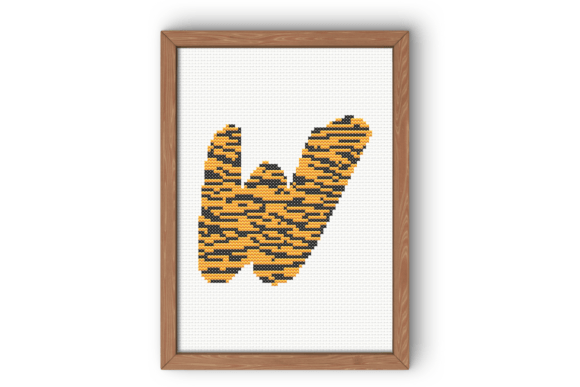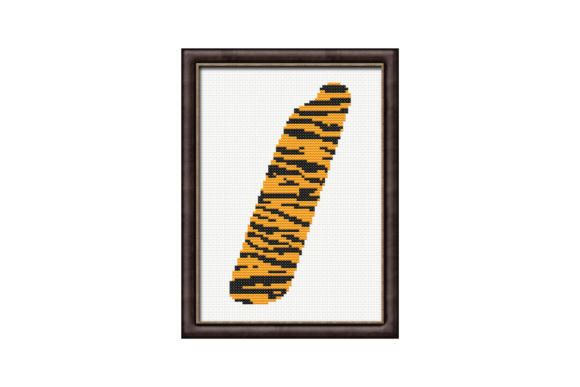
Tiger Print I Monogram Cross Stitch Review
As an embroidery designer who spends hours evaluating patterns for boutique collections, I am always on the lookout for designs that balance visual impact with production efficiency. When browsing Creative Fabrica embroidery options for a new line of custom apparel, I recently came across the Tiger Print I Monogram Cross Stitch. It is listed under Cross Stitch Patterns and categorized as Graphics, which immediately sparked my interest regarding its versatility for both hand-stitched samples and machine-translated applications.
This review explores how this specific design might fit into a modern sweatshirt or hoodie collection, offering practical insights for Etsy sellers, small shop owners, and creative entrepreneurs planning their next product drop.
First Impressions: Visual Mood and Design Personality
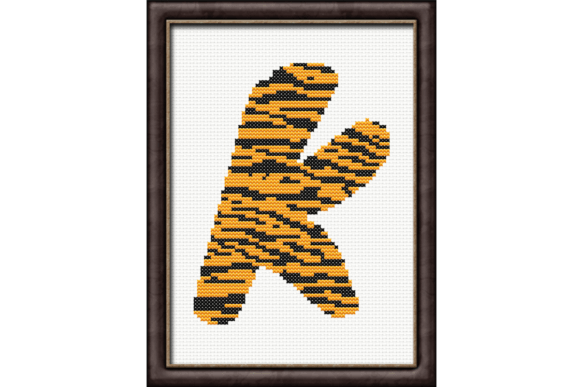
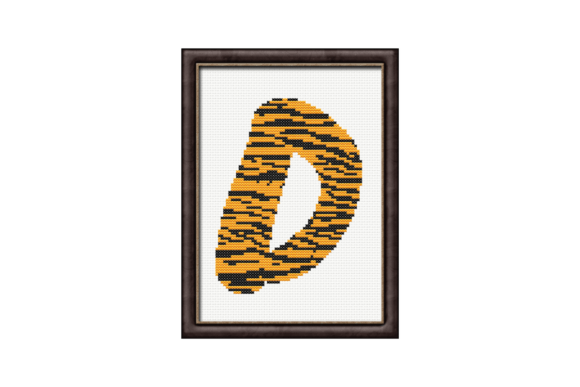
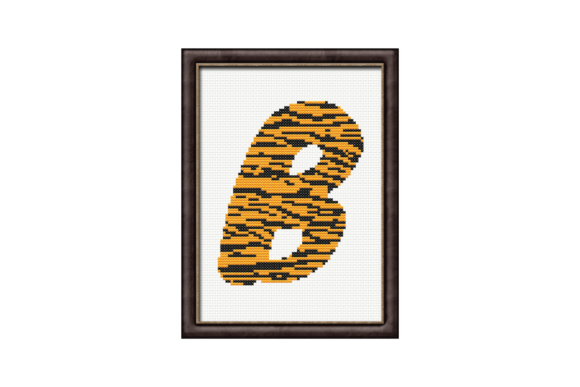
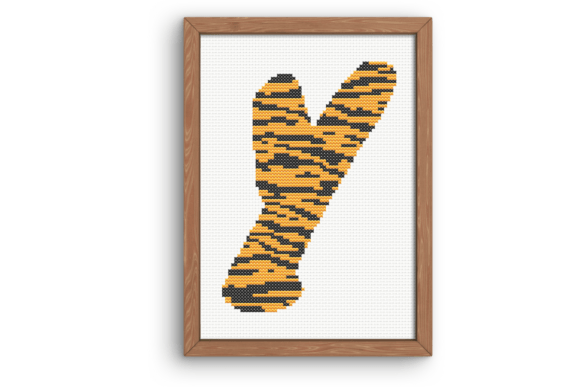
The first thing you notice about the Tiger Print I Monogram Cross Stitch is its distinct personality. With dimensions of 47 x 86 stitches, it offers a substantial presence without being overwhelming. When stitched on 14 count aida, the finished size is approximately 3.5 x 6 inches. This aspect ratio is particularly appealing for sweatshirt embroidery because it provides enough surface area to be noticed from a distance while remaining compact enough to fit comfortably on a chest pocket or upper sleeve.
The aesthetic is playful yet bold. The tiger print motif brings a touch of wild energy, but the monogram format keeps it grounded and personalizable. It feels neither too rustic nor overly formal; instead, it hits a sweet spot that works well for contemporary streetwear-inspired fashion. For a boutique brand aiming for a trendy, youthful vibe, this design offers a strong decorative strength. It is not minimal in the sense of being empty, but it is clean in its execution. The simple two-color structure means you can control the entire mood of the piece through your choice of thread colors. Whether you want a high-contrast look for dark garments or a soft, tonal effect for pastels, the design allows for significant creative freedom.
Application on Boutique Apparel
In my experience, the success of a garment often hinges on placement. Here is how I envision the Tiger Print I Monogram Cross Stitch performing across various apparel categories:
- Sweatshirt Chest Placement: The 3.5 x 6 inch size is ideal for left-chest placements. It sits nicely above the heart without interfering with zipper lines or pocket seams. On neutral-colored sweatshirts, such as heather grey or oatmeal, the design pops beautifully.
- Hoodie Sleeve Accents: Because the design is vertically oriented, it fits perfectly along the seam of a hoodie sleeve. This is a subtle branding opportunity that appeals to customers looking for unique details rather than massive front prints.
- Back Designs: While the pattern is smaller, it can serve as a focal point for a minimalist back design, perhaps centered between the shoulder blades. This approach works well for lifestyle product photos where the wearer is seen from behind, adding a layer of intrigue to the garment.
- Tote Bags and Accessories: Beyond clothing, this embroidery file translates exceptionally well to canvas tote bags. The cross-stitch aesthetic pairs naturally with the texture of cotton canvas, creating a cohesive handmade product feel.
- Denim Jackets: For upcycled denim projects, the tiger print adds a pop of color against the indigo or black fabric. It works as a standalone patch or part of a larger cluster of embroidered elements.
Designing for Different Fabrics and Garments
When adapting a digital embroidery file for physical production, fabric choice is critical. The Tiger Print I Monogram Cross Stitch is designed for 14 count aida, which has a specific grid structure. However, when moving to apparel fabrics like fleece, jersey knit, or ribbed cuffs, adjustments are necessary.
On stretchy fabrics, stitch density becomes a major concern. If the design is too dense, the fabric may pucker or distort. Since this is a simple two-color design, it likely has moderate density, which is generally safe for most mid-weight knits. However, testing on scrap fabric is essential. For dark garments, selecting bright or metallic thread colors will ensure the tiger print remains visible and vibrant. Conversely, on pastel hoodies, using softer, muted threads can create a sophisticated, understated look.
The design also lends itself well to oversized garments. As oversized tees and boxy hoodies remain popular, having a design that scales well within a defined area is valuable. The 47 x 86 stitch count provides a solid block of visual interest that anchors the loose silhouette of an oversized top.
Where to Use the Design Carefully
While versatile, there are areas where caution is advised. Avoid placing this design on highly curved surfaces like the collar of a crewneck sweatshirt, as the distortion may warp the monogram letters. Similarly, on ribbed fabric, the elasticity can cause the stitches to gap or break if not backed properly. Small chest placements on very petite sizes should be measured carefully to ensure the 3.5-inch width does not overwhelm the wearer’s frame. Always inspect the stitch density relative to the fabric weight to prevent puckering.
Impact on Brand Identity and Product Value
For an Etsy seller or small business owner, every detail contributes to perceived value. A well-executed embroidered design signals quality and attention to detail. The Tiger Print I Monogram Cross Stitch enhances brand identity by offering a customizable element. Buyers appreciate the ability to choose their own thread colors, making the finished product feel truly bespoke. This personalization fosters customer engagement and trust.
Furthermore, the design’s versatility allows for consistent visual branding across multiple products. You can use the same motif on t-shirts, hoodies, and tote bags, creating a recognizable collection. This visual consistency is key to building a professional presentation. When you create printable mockups for your online store, showing the design in different colorways helps potential buyers visualize the item in their own wardrobe, increasing conversion rates.
Practical Designer Notes for Production
Before committing to a full production run, I recommend following these steps to ensure the best results:
- Test on Scrap Fabric: Always stitch a sample on the exact fabric you plan to use. This reveals how the fabric texture interacts with the thread.
- Check Stabilizer Choice: Depending on the garment weight, you may need cut-away or tear-away stabilizer. For stretchy knit fabrics, a cut-away stabilizer often provides better long-term durability.
- Review Thread Color Contrast: Ensure your chosen thread colors provide enough contrast against the garment. The simplicity of the two-color design means each color must stand out clearly.
- Confirm Hoop Size: Verify that your hoop can accommodate the 47 x 86 stitch area plus any necessary hooping margin. If the design is large for your standard hoops, consider multi-hooping techniques.
- Inspect Stitch Density: Look closely at the digitization (if available) or test stitch to ensure the density is appropriate for the fabric. Too much thread can make the design stiff; too little can leave the fabric visible.
- Compare Placement Options: Lay the design on the actual garment before stitching to compare placement options. Try chest, sleeve, and back positions to see what looks best.
- Check Licensing: Always review the Creative Fabrica product details and licensing terms before selling finished apparel. Understanding commercial rights is crucial for protecting your business.
The Tiger Print I Monogram Cross Stitch is a strong candidate for anyone looking to add a touch of playful sophistication to their apparel line. Its manageable size, flexible color palette, and bold motif make it a practical choice for commercial embroidery projects. By paying attention to fabric selection and stabilization, you can create high-quality custom apparel that stands out in a crowded market.