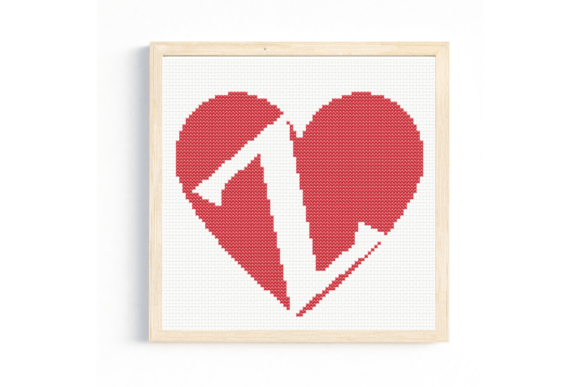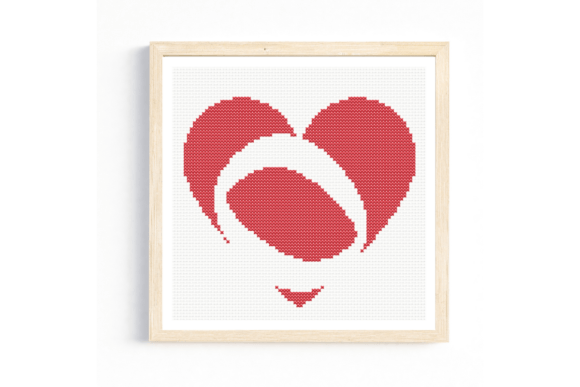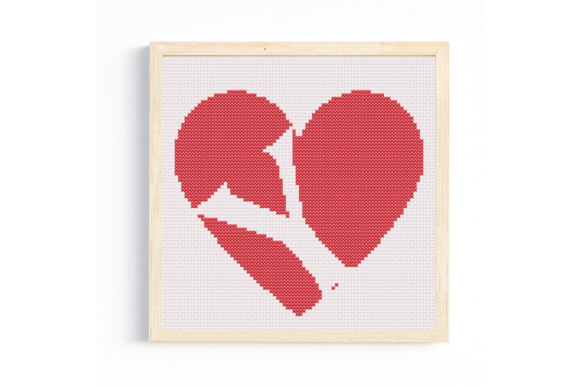
Y Monogram in Heart Cross Stitch Pattern
Walking up to a craft fair booth, you have about three seconds to catch a browser’s eye. As an embroidery designer who spends weekends stitching and selling handmade goods, I know that visual clarity is everything. When I look at the Y Monogram in Heart Cross Stitch Pattern, my first thought isn’t just about aesthetics; it is about marketability. This design feels like a solid candidate for a weekend market because it balances simplicity with personalization. It is clean, legible, and carries that warm, farmhouse-modern vibe that consistently performs well on tables filled with textiles.
First Impressions: Bold Yet Minimal
The description notes that this is a simple one-color design measuring approximately 5.5 by 5 inches on 14-count Aida. From a production standpoint, this size is ideal. It is large enough to be seen from a few feet away but small enough to fit comfortably on a variety of products without overwhelming them. The fact that it uses only one color means you can adapt the thread colors to match seasonal trends or specific customer requests instantly. Whether you choose a soft pastel for spring or a deep burgundy for autumn, the design remains consistent in its charm.
The heart shape combined with a single initial suggests intimacy and personal connection. In a sea of mass-produced items, a monogram stands out because it implies a story. For the Etsy seller or the boutique maker, this pattern offers a high perceived value with relatively low material costs. It feels premium because it looks custom-made, even if you are producing it in batches.
Product Applications and Market Fit
When evaluating where this cross stitch pattern will shine, I immediately think of accessories and home accents. Here is how it translates across different product lines:
- Tote Bags: A tote bag design featuring this monogram heart is a classic bestseller. Placed centrally on a canvas tote, it serves as both decoration and a subtle brand statement. The 5.5-inch width fits perfectly within standard hoop limits, making it easy to stitch quickly.
- Kitchen Textiles: For tea towel embroidery, this pattern adds a touch of whimsy to the kitchen. It photographs beautifully against white or cream linen, catching the light and drawing attention to the texture of the stitches. It appeals to buyers looking for giftable items that feel homemade.
- Caps and Headwear: While curved surfaces can be tricky, a structured cap brim or front panel can handle this design well. If converting this to a machine embroidery design for caps, ensure the stabilizer is rigid enough to prevent puckering. The heart shape frames the letter nicely, keeping the focus on the initial.
- Patches and Pouches: An embroidered patch version of this design could sell well on its own. Small fabric pouches or pencil cases also benefit from this scale. It acts as a focal point without cluttering the surface area.
Production Practicality for Sellers
One of the biggest hurdles for small shop products is efficiency. This design scores high on ease of use. Because it is a single-color scheme, you do not need to change threads frequently, which speeds up production time significantly. For a crafter aiming to produce 20 units for a Saturday market, this efficiency is crucial.
Photography is another key factor. Simple designs photograph better than complex ones because they remain clear even in smaller thumbnail images on social media or online listings. The contrast between the thread and the fabric is what sells the item. With a one-color design, you have full control over that contrast. Using dark thread on light fabric or vice versa ensures the heart and the 'Y' pop visually.
However, we must consider the medium. Since this is a graphics file intended for cross-stitch, transferring it to machine embroidery requires careful digitizing. You must check the stitch density to ensure the heart does not become too stiff or bulky. If the design is too dense, it may lose the delicate, handcrafted look that customers love. Conversely, if it is too sparse, it might look unfinished on textured fabrics like denim or thick apron cloth.
Important Considerations for Quality Control
Before committing to bulk production, there are several technical checks every designer should perform. First, always test the design on scrap fabric that matches your final product. Fabric texture plays a huge role in how the stitches lay. On a smooth cotton, the heart will look crisp; on a nubby weave, it might appear softer and more rustic.
Check the spacing around the letters. If the 'Y' is too close to the edge of the heart, it might get cut off during trimming or washing. Confirm the hoop size requirements early on to avoid mid-project surprises. Additionally, inspect the corners of the heart. Sharp angles in cross-stitch can sometimes look jagged if the stitch count is low. Ensure the curve is smooth enough to maintain elegance.
If you plan to sell these items commercially, verify the licensing terms of the original pattern. Some digital files are for personal use only. To avoid legal issues, ensure you have the right to produce and sell finished goods made from this digital embroidery file. Creating a printable mockup can help you visualize the final result before cutting any fabric, saving you money on mistakes.
Final Verdict
The Y Monogram in Heart Cross Stitch Pattern is a versatile asset for any handmade business. Its simplicity allows for rapid production, while its personalized nature drives higher price points. It works exceptionally well on apron embroidery projects, kitchen linens, and gift sets. By paying attention to thread contrast, fabric choice, and proper stabilization, you can turn this simple design into a standout craft fair product. It captures the essence of modern handmade commerce: accessible, beautiful, and deeply personal. For the savvy entrepreneur, this pattern is not just a stitch guide; it is a blueprint for sales.